
The Obesity and Nutrition Clinic at Copenhagen University Hospital Hvidovre, led by Dr Kirstine Nyvold Bojsen-Moller, is an Adult COM in Denmark. Closely integrated with the hospital’s Endocrine Research Unit, the COM delivers highly specialised, evidence-based obesity care for people living with severe and complex obesity, alongside strong national and international research activity. The core multidisciplinary team includes four medical doctors specialised in internal medicine and endocrinology, two nurses, eight dietitians, and one physiotherapist, working closely with a team of four bariatric surgeons and bariatric nurses through coordinated treatment programmes and monthly multidisciplinary team conferences. The COM also holds quarterly virtual meetings with colleagues in the Region of Zealand to coordinate specialised obesity care across Eastern Denmark and collaborates with midwives, obstetricians, physiotherapists, and orthopaedic surgeons to support pregnancy after bariatric surgery and the management of severe knee osteoarthrosis.
Welcome, Dr Bojsen-Moller! What recent COM developments and achievements would you like to highlight?
Obesity and Nutrition is closely integrated with our Endocrine Research Unit, and 2025 has been a very active year. We published more than ten papers in international journals, including important work on the mechanisms of bariatric surgery (doi: 10.2337/db24-1054; doi: 10.1016/j.metabol.2025.156189) and some of the first publications from the large international Lighthouse Consortium on Obesity Management (LightCOM) project, including the protocol paper for the LightCARE RCT (doi: 10.1136/bmjopen-2025-107155). LightCOM is a large international collaboration between Denmark and the United Kingdom developing and evaluating new obesity management programmes. LightCOM currently runs three large RCTs comparing intensive weight loss interventions with usual care and is led by Dr. Carsten Dirksen, who is also head of the Endocrine Research Unit.
A major milestone was the launch of the Clinical Academic Group Sustainable Health Improvements Following Obesity Therapy (CAG SHIFT) in November 2024. CAG SHIFT brings together 28 key research leaders from basic and clinical obesity research from across the Greater Copenhagen Area, including the University of Copenhagen, the Danish Technical University, and all major adult and paediatric hospitals. Obesity and Nutrition is a central stakeholder, with myself as vice-chair and Carsten Dirksen, as a key member.
In November 2025, Carsten Dirksen was elected Chairman of the Danish Association for the Study of Obesity (DASO), the national Danish member organisation of EASO, further strengthening collaboration between our COM, the national organisation, and EASO.
It is exciting to hear about your publication success. Could you discuss the research your team members are currently working on?
The Endocrine Research Unit has extensive research infrastructure, including a fully equipped metabolic laboratory for standardised meal testing, clamp experiments, indirect calorimetry, and exercise testing. Body composition is assessed using bioimpedance and DXA, supported by collaborations with the hospital’s MR research department. We collaborate with leading laboratories for analysis of gut hormones (including Jens Juul Holst’s laboratory at the University of Copenhagen), genetics, and multi-omics. Current research spans both bariatric surgery and clinical obesity management.
Bariatric surgery research focuses on:
- Physiological and metabolic mechanisms, including gut hormones, gastrointestinal motility, and bile acid metabolism
- Post-surgical complications, including hypoglycaemia and neuropathy
- Quality of life after surgery
Clinical obesity management research focuses on:
- Obesity management in patients with multimorbidity and hypothalamic obesity
- Comparisons of surgical and non-surgical treatment approaches
- Targeted dietary interventions, including low-carbohydrate high-fat diets, and weight-neutral interventions
Our major research projects include:
- The Lighthouse Consortium on Obesity Management (LightCOM) including the LightBAR RCT (NCT06309238), headed by Kirstine Nyvold Bojsen-Moller assessing the clinical benefits and harms of an intensive weight loss (IWL) intervention combining total dietary replacement, behavioral support and novel obesity management medication compared with bariatric surgery in people living with severe obesity and complications to obesity. Participants eligible for bariatric surgery are recruited from several sites across Denmark, the United Kingdom and Sweden
- The HypoBAR RCT investigating canagliflozin and acarbose for the treatment of post-bariatric hypoglycaemia (EudraCT Number: 2022-000157-87)
- The NovaBAR study examining the prevalence of neuropathy after bariatric surgery
- The BileBAR study (NCT06925997) investigating the role of bile acids in gut hormone secretion and diabetes remission after bariatric surgery
- Studies on gastrointestinal hormones in appetite control and diabetes remission after bariatric surgery
- Studies examining low-carbohydrate high-fat diets for acute modulation of liver fat in people with obesity
- A programme to improve postoperative care following bariatric surgery, including a large cohort study on quality of life
- The FIT-HF trial (CTIS2023-503753-35-01) investigating the effects and risks of intensive weight loss in patients with heart failure, including total dietary replacement and semaglutide
In terms of your COM’s clinical work, what is your patient care philosophy and what services do you provide?
As a tertiary obesity management centre, we prioritise patients living with severe and complex obesity who require specialised treatment, with the primary goal of improving health outcomes and quality of life. We systematically collect health-related quality of life data using SF-36 questionnaires, which are currently being analysed as part of a PhD study in nursing.
We provide comprehensive obesity management, including dietary and behavioural therapies, pharmacotherapy, bariatric surgery, and long-term follow-up. All patients undergo systematic screening for obesity-related complications, including diabetes, dyslipidaemia, hypertension, cardiac arrhythmias, nephropathy, liver fibrosis, and vitamin and mineral deficiencies, alongside assessment of health-related quality of life and screening for binge eating disorder. Where indicated, patients are screened for obstructive sleep apnoea, pulmonary disease, cardiac failure, and osteoarthrosis using established referral pathways.
Obesity management programmes include highly specialised non-surgical management with total dietary replacement, dietitian-led counselling, and pharmacotherapy including liraglutide, semaglutide, and tirzepatide. Bariatric surgical options include sleeve gastrectomy and gastric bypass, with dedicated management of severe post-bariatric complications such as malnutrition, hypoglycaemia, and pregnancy after bariatric surgery in collaboration with gynaecology and obstetrics.
Education, training, and innovation are central to your work. Could you describe these activities?
The COM provides on-site education for medical doctors and specialised training for endocrinology registrars across Eastern Denmark. Dietitian students gain experience in specialised obesity treatment through mandatory hospital internships.
As the largest public healthcare centre for obesity management in Eastern Denmark, Obesity and Nutrition is actively engaged in outreach and education activities, including training days and courses through CAG SHIFT and in collaboration with DASO, education for general practitioners and other health professionals, and participation in national and international conferences such as ECO, the Nordic Obesity Meeting, EASD, and ESPEN.
Innovative practices include a combined diet-drug weight loss programme using VLCD and obesity management medication for patients with severe obesity and multimorbidity who are not eligible for bariatric surgery, including individuals living with major psychiatric comorbidity. The COM has implemented the Edmonton Obesity Staging System, makes extensive use of remote consultations, and is developing an AI-based coaching app for weight maintenance to be tested in a research project.
Looking ahead, what are your priorities and challenges for the next 3–5 years?
Our main goal is to understand how best to sustain health during and after intensive weight loss programmes, including identifying optimal lifestyle interventions to accompany pharmacotherapy and preventing post-intervention adiposity rebound and health deterioration. A key challenge is ensuring sustained health following intensive treatment programmes, alongside improving obesity care beyond the hospital setting by strengthening collaboration across healthcare sectors and addressing social inequities in obesity management.
This edition highlights Obesity and Nutrition at Copenhagen University Hospital Hvidovre, led by Dr Kirstine Nyvold Bojsen-Moller. The COM delivers highly specialised, multidisciplinary obesity care and demonstrates strong leadership in research, education, and innovation. Through national and international collaboration, including CAG SHIFT and LightCOM, the team continues to advance evidence-based obesity management in Denmark and beyond. We thank Dr Bojsen-Moller and the Obesity and Nutrition team for their continued contribution to the COMs network.
Photo 1: Meet the Obesity and Nutrition team
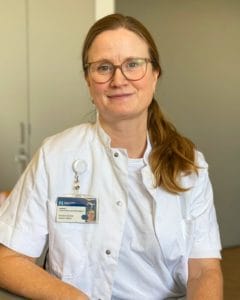
Photo 2: COMs lead, Dr Kirstine Nyvold Bojsen-Molle
 English
  French