
This issue introduces Reykjalundur, an Adult COM in Iceland, led by Dr Gudrun Höskuldsdóttir. Located near Reykjavik, this specialist centre with international accreditation for rehabilitation services (CARF International) delivers person-centred obesity care through a dedicated team and a leading model. We also had the opportunity to speak with Karen Gunnarsdottir – an Occupational Therapist from this COM team.
Great to speak with you, Dr Höskuldsdóttir. Your COM brings together a wide multidisciplinary team. How does this translate into the care you provide?
We have one multidisciplinary metabolism and obesity team that includes doctors, nurses, psychologists, physical therapists, occupational therapists, a social worker, a dietician, an exercise physiologist and a secretary. We also have multidisciplinary teams in neurology, cardiology, pulmonology, chronic pain, rheumatology, psychiatry and an inpatient care ward.
We place equal emphasis on physical, mental and social well-being, quality of life, and supporting a healthier relationship with food and movement. Our focus during obesity treatment includes nutritional therapy (including treatment for eating disorders), pharmacotherapy with long-term outpatient follow-up, CBT, occupational therapy and physical therapy. We aim to build self-esteem in physical activity and social well-being and provide support from a social worker for financial matters and rights. We offer group sessions for training and education, peer-to-peer learning, and have access to a cardiopulmonary lab for work-up of coexisting conditions. Patients also benefit from consultations with other specialist teams, as well as pre-operative care before bariatric surgery. We have also been employing technology to support patient care – recently we used AI to assist in translating all patient material to Polish and, with the support of a Polish interpreter, delivered our first group-based treatment for Polish-speaking individuals in 2025-2026.
Rehabilitation plays a very important role in supporting long-term outcomes in obesity care. How is your team advancing this approach?
Rehabilitation for individuals living with obesity is a key area of innovation in our COM and remains rare internationally, with no established guidelines despite WHO emphasis on its importance. Evidence, including Mejaddam et al. (2025), highlights a clear need for long-term specialised care after bariatric surgery across Europe. After patients receive surgery, we continue to see challenges such as reduced mental well-being, alcohol disorders and nutritional problems. This reinforces the need for rehabilitation 2-5 years post-surgery, as well as specialist support for individuals experiencing weight regain.
Your team is also active in research and national initiatives. What work are you currently involved in?
Alongside clinical care, we contribute to research, national policy and international scientific meetings. We:
- Are active members of the Icelandic Association for the Study of Obesity
- Collaborate with the government (Surgeon General and Ministry of Health) and the Northern European Obesity Network, which is developing a training syllabus for obesity specialists
- Contributed to national work highlighting the need for improved obesity care in Iceland, followed by engagement with the Minister of Health and the appointment of a nurse from our team as a special advisor. A parliamentary resolution proposal for an obesity healthcare action plan (2026-2030) is now in development, focusing on long-term care and recognising obesity as a chronic disease
- Presented research at the Scandinavian Society for Diabetes (2025), the EASO COMs Summit (2025) and Nordic Obesity Meeting (2026)
- Are responsible for research, including work-up of shortness of breath in individuals living with obesity; a national project on safety and use of GLP-1 analogues (2015-2024), and are involved in research on follow-up care and patient experiences with GLP-1 treatment and the healthcare system
Looking ahead, as this COM’s lead, where do you see the greatest unmet needs in obesity care, and how is your COM responding?
Our priorities include improving care for individuals with long-term complications after bariatric surgery, enhancing access for non-Icelandic speakers, and developing tailored programmes for young people requiring longer, less-intensive support. We are seeing increasing referrals of young adults (18-25 years) with severe obesity, coexisting conditions, and social isolation, often with neurodiversity. Existing group programmes have not been suitable. We are developing a dedicated programme with smaller groups, shorter sessions, and greater focus on social interaction, nutrition skills, cooking, and positive experiences of movement. The aim is to provide a safe environment for medical care and pharmacological follow-up, while supporting return to education, work and social participation. We continue to work with government stakeholders to improve access to specialised care and strengthen professional education. A key challenge remains limited reimbursement for pharmacological treatment, with many patients required to pay out of pocket.
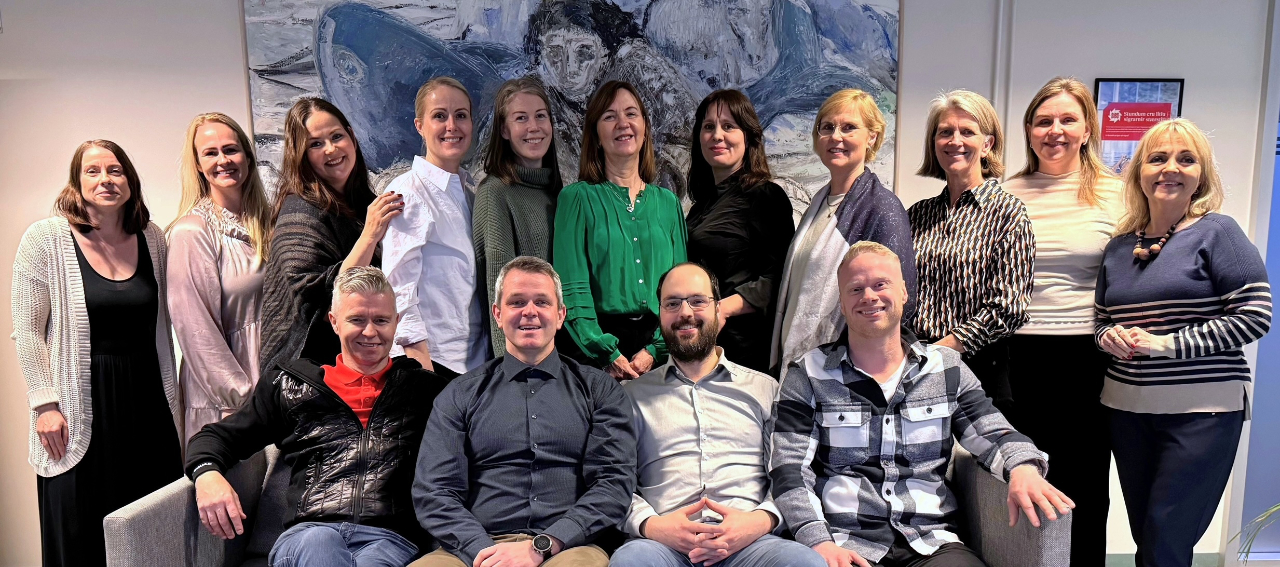
Meet the Team
We also spoke with Ms Karen Gunnarsdottir, Occupational Therapist, about the role of occupational therapy within the COM.
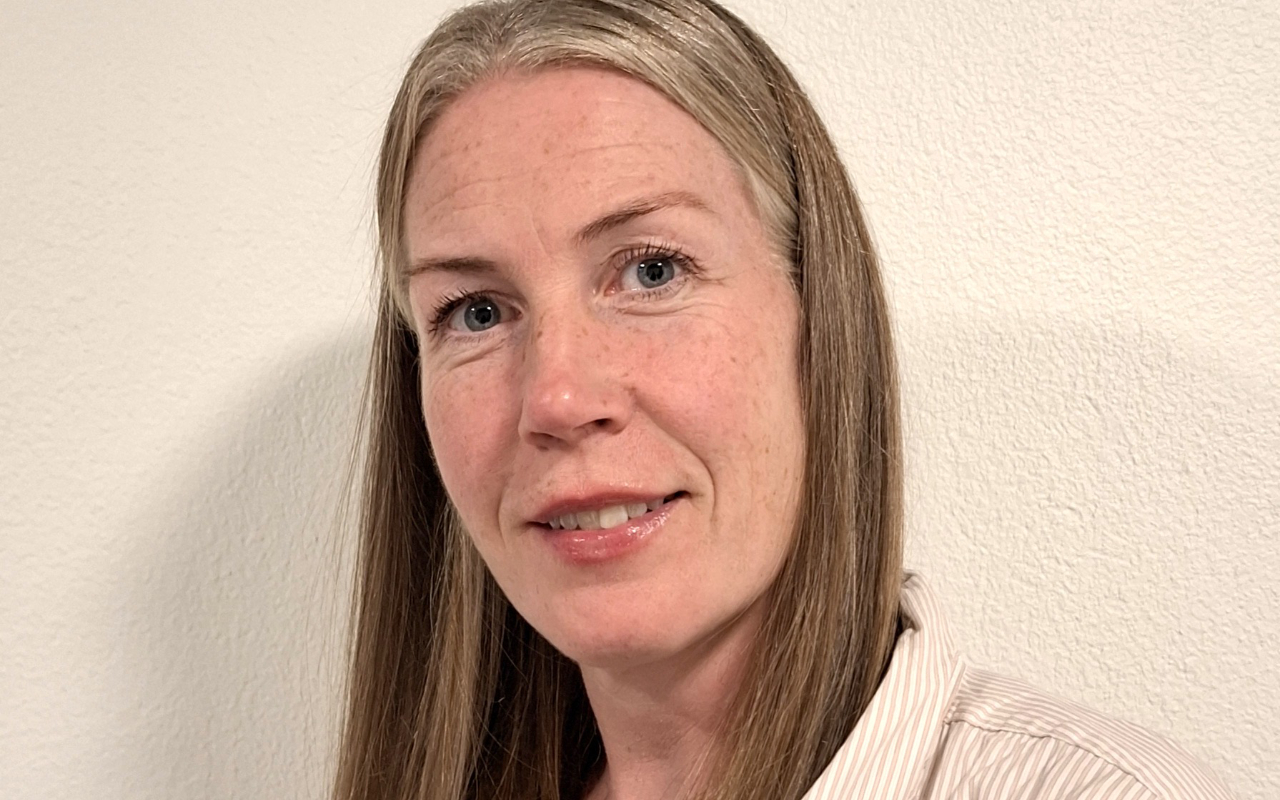
Great to speak with you Karen. Could you tell us about your role within the COM team?
My role is varied and involves both individual and group therapy. I meet every person entering our rehabilitation programme for an initial assessment, where I learn about their abilities, daily routines, interests and expectations for treatment. Each person then identifies meaningful and personally relevant goals to work towards during rehabilitation. Patients work on these goals through activities including cooking, creative activities and crafts, educational sessions, relaxation training and individual therapy. I support them in setting realistic goals and developing healthier habits related to daily functioning, lifestyle and physical activity. I also assess whether environmental factors are limiting a person’s participation in everyday life. This includes evaluating the need for assistive devices and, where appropriate, applying for these on their behalf to support greater independence and participation in activities of daily living.
How can occupational therapy support person-centred care for people living with obesity?
Obesity is a complex chronic condition, and the needs and abilities of people living with obesity vary considerably. Occupational therapy supports person-centred care by meeting each person where they are in their journey. We help people improve their ability to participate in everyday activities, strengthen their self-efficacy and sense of agency, develop healthier habits, improve their well-being and quality of life, and establish a more balanced daily routine. Depending on the person’s needs and goals, treatment may involve either increasing or reducing activity levels to support sustainable participation in everyday life.
What do you value most about working as part of the multidisciplinary team at Reykjalundur?
Working as part of a multidisciplinary team is a privilege. Many of the people we support experience challenges across several areas of their lives, so close collaboration enables us to provide comprehensive and holistic care. The team also provides valuable professional support and reassurance. When someone’s needs extend beyond my own area of expertise, I can confidently refer them to colleagues from other disciplines, ensuring they receive the most appropriate care and support.
This edition highlights Reykjalundur Rehabilitation Centre in Iceland, which exemplifies a comprehensive, rehabilitation-based approach to obesity care, combining multidisciplinary expertise, long-term follow-up and strong integration with national policy and research. Its work highlights the importance of specialised rehabilitation and continued investment in long-term, person-centred care. We thank Dr Gudrun Höskuldsdóttir, Ms Karen Gunnarsdottir and the wider Reykjalundur team for their continued contribution to the EASO COMs network.
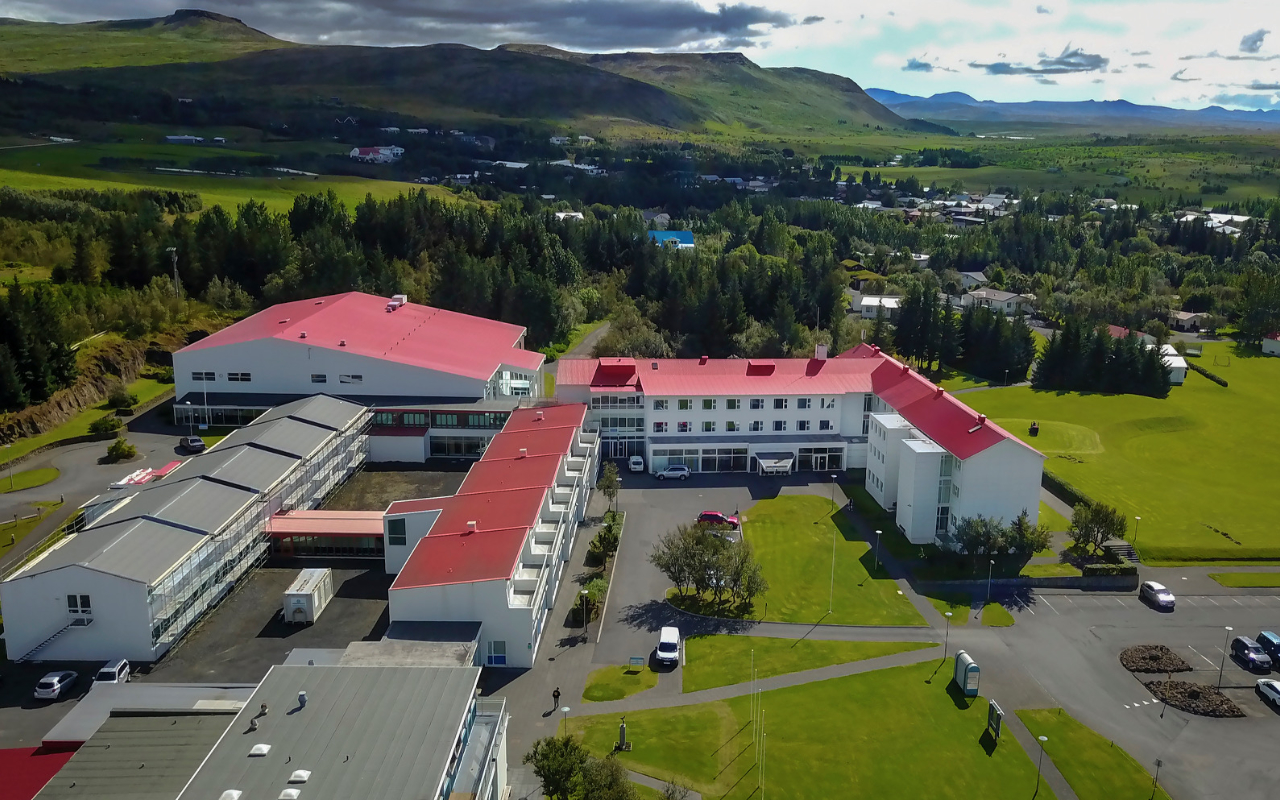
Reykjalundur Rehabilitation Centre
 English
  French